

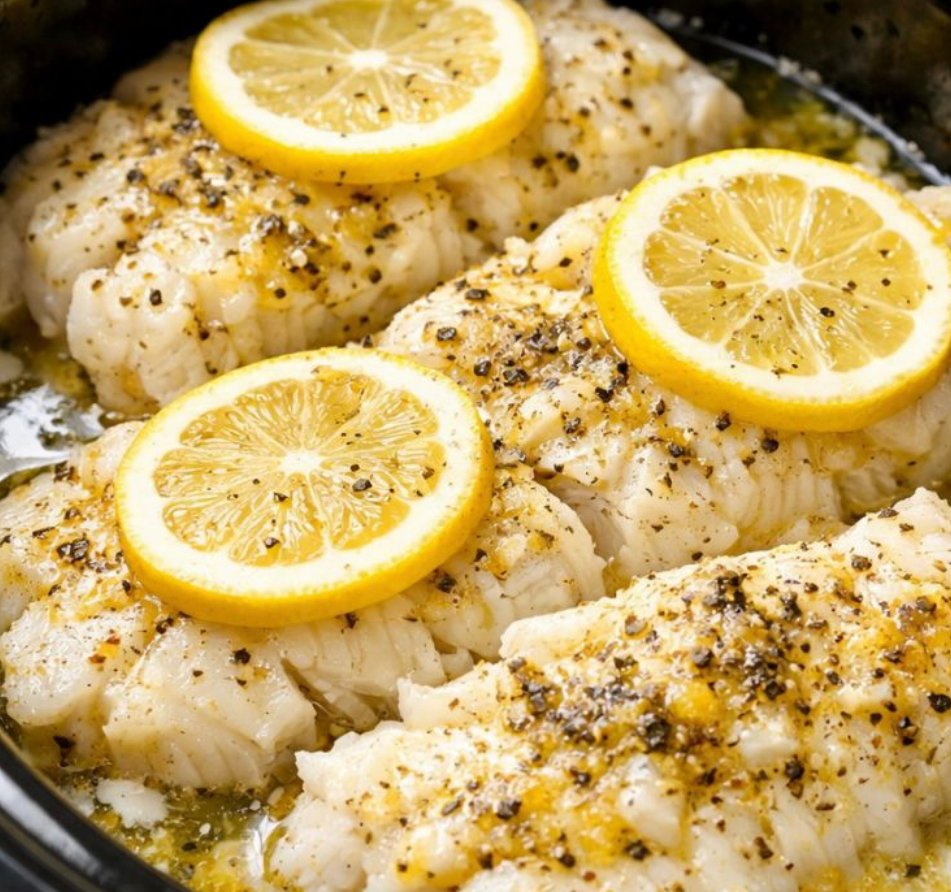
Ingredients
Four simple ingredients. Choose them well.
1½ to 2 pounds raw cod fillets, thawed if frozen – The star of the show. Cod is a mild, white, flaky fish with a delicate flavor. It does not taste “fishy.” It takes on the flavors of whatever you cook it with. This makes it perfect for the lemon pepper butter sauce. Look for fillets that are relatively uniform in thickness so they cook evenly. If using frozen cod, thaw it completely in the refrigerator overnight before cooking. Do not cook from frozen – the texture will be uneven. Other white fish that work well: haddock, pollock, halibut, or sea bass. Do not use oily fish like salmon or mackerel – the flavor profile is different.
2 large lemons, juiced (about ⅓ cup fresh lemon juice) – The brightness. Fresh lemon juice is essential. Bottled lemon juice lacks the brightness and complexity of fresh. Roll the lemons on the counter before juicing to get the most juice. The lemon juice does two things: it adds bright, acidic flavor that cuts through the butter, and it helps keep the fish tender and prevents it from tasting “fishy.”
2 tablespoons lemon pepper seasoning – The flavor powerhouse. Lemon pepper seasoning is a blend of dried lemon zest, black pepper, salt, garlic powder, and onion powder. It adds brightness, warmth, and savory depth. Use a good quality brand – Lawry’s and Mrs. Dash both make good versions. Check the label – some brands are saltier than others. Adjust the amount based on your preference.
3 tablespoons unsalted butter, cut into small pieces – The richness. Unsalted butter gives you control over the salt level (the lemon pepper seasoning provides plenty). Cut the butter into small pieces (about ½-inch cubes) so it melts evenly. As the butter melts, it mixes with the lemon juice to create a silky, golden sauce that bastes the fish. Do not substitute margarine – it has too much water and will make the sauce thin.
Directions
Follow these simple steps for lemon pepper cod that will earn a permanent spot in your rotation.
Step 1 – Prepare the slow cooker
Set a 4- to 6-quart slow cooker on the counter. Make sure the insert is dry and clean.
Lightly grease the bottom with a bit of butter if you like. This is optional but helps prevent sticking.
Step 2 – Prepare the cod
Pat the raw cod fillets dry with paper towels. This is important – dry fish cooks more evenly and prevents excess water in the slow cooker.
Lay the fillets in a single layer in the bottom of the slow cooker. It is fine if they overlap just a little, but try not to stack them thickly. If your slow cooker is small, arrange the fillets as evenly as possible.
Step 3 – Add the lemon juice
Hold a lemon half over the cod. Squeeze the juice directly onto the fillets. Catch and discard any seeds with your fingers.
Repeat with the remaining lemon halves until all the cod is well coated.
There should be a shallow layer of lemon juice in the bottom of the slow cooker.
Step 4 – Add the lemon pepper seasoning
Sprinkle the lemon pepper seasoning evenly over the tops of the lemon-soaked cod fillets.
Make sure each piece gets a good dusting so the flavor is balanced throughout.
Do not flip the fish. Just season the top.
Step 5 – Add the butter
Dot the tops of the seasoned cod with the small pieces of butter. Space them around so they will melt and baste the fish as it cooks.
Step 6 – Cook low and slow
Cover the slow cooker with the lid.
Cook on LOW for 1½ to 2½ hours.
Do not cook on HIGH. The gentle heat of LOW keeps the fish tender instead of tough.
The exact time will depend on how thick your fillets are and how hot your particular slow cooker runs.
Step 7 – Check for doneness
The cod is ready when:
-
The fish is opaque (not translucent)
-
The fish flakes easily with a fork in the thickest part
-
The internal temperature reaches 145°F (63°C) if you have a thermometer
Start checking at 1½ hours. Thinner fillets may be done earlier. Thicker fillets may need the full 2½ hours.
Step 8 – Rest and serve
Once the cod is flaky, turn off the slow cooker. Let it sit, covered, for about 5 minutes. This brief rest helps the juices settle.
Gently lift the fillets out with a wide spatula. The fish will be very delicate – handle gently.
Spoon some of the lemony butter juices from the bottom of the slow cooker over each serving.
Serve immediately.
Watch your family take their first bite and close their eyes in bliss.
Tips for Best Results
These small details separate a good slow cooker fish dish from a great one.
Thaw frozen cod completely – Do not cook cod from frozen. The texture will be uneven – the outside may overcook while the inside stays frozen. Thaw in the refrigerator overnight.
Pat the fish very dry – This is important. Excess moisture on the surface of the fish prevents the seasoning from adhering and can make the final dish watery. Use paper towels and press firmly.
Do not crowd the slow cooker – The fillets should be in a single layer, not stacked. Stacked fish will cook unevenly. If your slow cooker is small, cook the fish in batches or use a larger slow cooker.
Use fresh lemon juice – Bottled lemon juice lacks the brightness and complexity of fresh. The two minutes it takes to juice fresh lemons makes a noticeable difference.
Do not skip the lemon pepper seasoning – This is the flavor backbone of the dish. Lemon juice alone is not enough. The lemon pepper seasoning adds warmth, depth, and a savory note that lemon juice cannot provide.
Cook on LOW only – HIGH heat will make the fish tough and rubbery. LOW heat gently cooks the fish, keeping it tender and moist. This is not a recipe to rush.
Check for doneness early – Thin fillets may cook faster than the recipe indicates. Start checking at 1½ hours. Overcooked fish is dry and unpleasant. Undercooked fish can be cooked longer.
Handle the fish gently – Cooked cod is very delicate. Use a wide spatula to lift the fillets. Do not use tongs – they will break the fish apart.
Spoon the sauce over the fish – The buttery lemon juices at the bottom of the slow cooker are liquid gold. Do not leave them behind.
Creative Variations
Four ingredients is the starting point. Here is how to make this recipe your own.
Garlic Lemon Pepper Cod
Add 4 minced garlic cloves to the slow cooker along with the butter. The garlic melts into the butter, adding sweet, pungent depth. For even more garlic flavor, add ½ teaspoon of garlic powder along with the fresh garlic.
Dill Lemon Cod
Add 1 tablespoon of fresh chopped dill (or 1 teaspoon of dried dill) to the slow cooker. Dill and lemon are a classic pairing with fish. The bright, slightly anise-like herb complements the lemon and butter beautifully.
Caper Lemon Cod
Add 2 tablespoons of drained capers to the slow cooker along with the butter. Capers add a briny, tangy, salty punch that pairs beautifully with the lemon and butter. This is a piccata-style cod.
Parmesan Lemon Cod
During the last 10 minutes of cooking, sprinkle ¼ cup of grated Parmesan cheese over the cod. The salty, nutty cheese adds umami and creates a light crust on top of the fish.
Spicy Lemon Cod
Add ½ teaspoon of crushed red pepper flakes or a pinch of cayenne pepper to the lemon pepper seasoning. The heat adds warmth and complexity without overwhelming the delicate fish.
Herbed Lemon Cod
Add 1 teaspoon of dried thyme, 1 teaspoon of dried oregano, or 2 tablespoons of fresh chopped parsley to the slow cooker. The herbs add an earthy, aromatic note.
White Wine Lemon Cod
Replace 2 tablespoons of the lemon juice with 2 tablespoons of dry white wine (Pinot Grigio or Sauvignon Blanc). The wine adds acidity, depth, and a subtle fruitiness. The alcohol cooks off, leaving only flavor.
Lemon Pepper Cod with Cherry Tomatoes
Add 1 cup of cherry tomatoes to the slow cooker along with the cod. The tomatoes soften and burst, adding sweetness and acidity to the sauce. This version is extra colorful and flavorful.
Serving Suggestions
This lemon pepper cod is a complete light meal. Here is how to serve it.
With rice – White rice, brown rice, or jasmine rice. The rice soaks up the buttery lemon sauce beautifully. This is the classic choice.
With roasted potatoes – Small roasted potatoes or baby potatoes alongside the cod. The crispy, earthy potatoes contrast with the tender, bright fish.
With steamed vegetables – Steamed asparagus, green beans, or broccoli. The fresh, crisp vegetables complement the delicate fish.
With a simple green salad – A sharp vinaigrette cuts through the richness of the butter. Mixed greens, cherry tomatoes, and a lemony dressing.
Over pasta – Angel hair or linguine tossed in the lemon butter sauce with the flaked cod. A light, elegant pasta dish.
With crusty bread – Warm, crusty bread for sopping up every drop of that lemony butter sauce. A baguette or sourdough works beautifully.
With quinoa or couscous – The nutty grains are a great alternative to rice and soak up the sauce just as well.
Flaked over a salad – Flake the cooked cod over a bed of greens with cucumbers, tomatoes, and a light vinaigrette. A healthy, satisfying lunch.
Storage and Reheating
Fish is best fresh, but leftovers can be enjoyed.
Refrigerator – Store leftover cod and sauce together in an airtight container for up to 2 days. Fish does not keep as long as meat or chicken.
Freezer – Freezing is not recommended. The texture of cooked cod becomes mushy and unpleasant when frozen and thawed. Make only what you will eat within a day or two.
Reheating from fridge – The best method is gentle heat. Place the cod and sauce in a covered skillet over low heat for 3 to 5 minutes. The microwave works in a pinch – use 30-second bursts at 30% power. Do not overheat – the fish will become dry and tough.
Cold lemon cod salad – Leftover cod is delicious cold. Flake it over a salad or mix it with mayonnaise, celery, and herbs for a fish salad.
Do not reheat more than once – Reheating fish multiple times will dry it out and ruin the texture. Reheat only what you will eat.
Choosing the Right Fish for Slow Cooking
White, flaky, mild fish work best in the slow cooker. They hold up to gentle heat without falling apart completely.
Best choices:
-
Cod – Mild, flaky, affordable. The best all-purpose choice.
-
Haddock – Very similar to cod. Slightly sweeter.
-
Pollock – Even milder than cod. Often used in fish sticks.
-
Halibut – Firmer and meatier. More expensive but delicious.
-
Sea bass – Rich and buttery. A splurge but worth it.
Fish to avoid in the slow cooker:
-
Salmon – Oily and strong-flavored. The flavor can become overpowering.
-
Trout – Delicate and easily overcooked. Better in a skillet.
-
Catfish – Strong, muddy flavor. Not a good match for lemon pepper.
-
Tuna – Too meaty and dense. Better seared or grilled.
Always use fresh or fully thawed fish – Frozen fish cooks unevenly in a slow cooker. Thaw completely before cooking.
Why Lemon and Fish Work So Well Together
You might wonder why lemon and fish are such a classic pairing.
Here is the science.
Acid balances richness – Fish, especially white fish, has a delicate, mild flavor. Lemon juice adds acidity that brightens and lifts the fish, preventing it from tasting flat or heavy.
Acid denatures protein – The acid in lemon juice gently “cooks” the outer layer of the fish, similar to ceviche. This helps the fish stay tender and flaky.
Lemon neutralizes “fishy” odors – The citric acid in lemon juice reacts with the compounds that cause “fishy” smells, neutralizing them. This is why fish with lemon smells fresh and clean, not fishy.
Flavor affinity – Lemon and fish simply taste good together. The bright, citrusy notes complement the mild, sweet flavor of cod. It is a pairing that has stood the test of time.
Do not skip the lemon. It is not just garnish – it is essential to the dish.
Frequently Asked Questions
Can I use frozen cod?
Yes, but thaw it completely first. Thaw frozen cod in the refrigerator overnight. Do not cook from frozen – the texture will be uneven.
Can I use a different type of fish?
Yes. Haddock, pollock, halibut, and sea bass all work well. Avoid oily fish like salmon or mackerel.
Can I use bottled lemon juice?
Fresh lemon juice is strongly recommended. Bottled lemon juice lacks brightness and complexity. The two minutes it takes to juice fresh lemons makes a noticeable difference.
Can I cook this on HIGH?
Not recommended. HIGH heat will make the fish tough and rubbery. LOW heat gently cooks the fish, keeping it tender. This is not a recipe to rush.
My fish is dry. What went wrong?
You cooked it too long, or your slow cooker runs hot. Next time, check for doneness earlier (at 1½ hours). Also, make sure your slow cooker is on LOW, not HIGH.
My fish is undercooked. What should I do?
Continue cooking for another 15 to 30 minutes. Check again. Every slow cooker is different.
Can I add vegetables to the slow cooker?
Yes. Add thinly sliced zucchini, bell peppers, or cherry tomatoes. Add them at the beginning – they will soften in the lemon butter sauce. Do not add delicate vegetables like spinach – they will turn to mush.
Can I double this recipe?
Only if your slow cooker is large enough to hold the fish in a single layer. A standard 6-quart slow cooker can hold about 4 pounds of cod in a single layer. Overcrowding will lead to uneven cooking.
Can I make this in an oven instead of a slow cooker?
Yes. Place the fish, lemon juice, seasoning, and butter in a foil packet. Seal tightly. Bake at 400°F for 12 to 15 minutes, depending on thickness.
Is this recipe gluten-free?
Yes. Cod, lemon juice, lemon pepper seasoning (check the label – most are gluten-free), and butter are all naturally gluten-free.
Final Thoughts
Some recipes are complicated because they are trying to impress.
This recipe is simple because it knows it does not need to try.
Four ingredients. A slow cooker. A little over an hour. That is all it takes to create a fish dish that is bright, buttery, tender, and delicious.
The cod cooks slowly, staying moist and flaky. The lemon juice adds brightness and keeps the fish tasting fresh and clean. The lemon pepper seasoning adds warmth and savory depth. The butter melts into a silky, golden sauce that pools around the fillets.
This is the recipe you make on busy weeknights when you want something healthy and satisfying without a lot of work. The recipe you make when you are intimidated by cooking fish on the stovetop. The recipe you make when you want to prove to yourself that you can cook seafood at home.
Serve it with rice and a vegetable. Serve it with crusty bread and a salad. Serve it on its own with a squeeze of extra lemon.
However you serve it, serve it with love.
Because that is what this food is – love, slow-cooked until tender and bright.
Now go get those lemons.
Your slow cooker is waiting.