

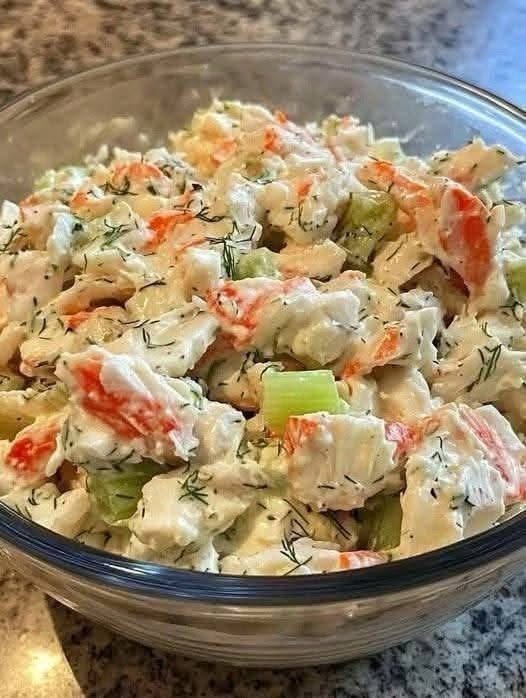
A great seafood salad tastes like the coast itself: briny, bright, creamy, and refreshing all at once. This dish has earned its place on picnic tables, holiday buffets, and summer lunch menus for good reason. It transforms simple cooked shrimp, tender crab, or flaky white fish into something celebratory with little more than a well-balanced dressing and a few crisp vegetables. Whether you are serving it on a bed of lettuce, stuffed into a buttered roll, or scooped up with crackers, this seafood salad recipe delivers restaurant-quality flavor in under twenty minutes.
Unlike heavy, mayonnaise-drenched versions that mask the delicate taste of the ocean, this recipe takes a lighter approach. A combination of creamy base, fresh lemon, fresh herbs, and a touch of brine from capers or pickled celery creates layers of flavor that enhance rather than hide the seafood. This seafood salad is also endlessly adaptable. Use whatever cooked seafood you have on hand—leftover grilled fish, canned crab, poached shrimp, or a mix of shellfish. The result is a protein-packed, crowd-pleasing dish that works for everything from a quick lunch to an elegant starter.
Why You Will Love This Recipe
· Ready in 15 Minutes: Perfect for last-minute entertaining or busy weeknights.
· No Cooking Required: Uses pre-cooked seafood, making it a true no-fuss recipe.
· Light and Balanced: A creamy yet bright dressing that complements, not drowns, the seafood.
· High in Protein: Keeps you full and satisfied without heavy carbs.
· Make-Ahead Friendly: Tastes even better after a few hours in the refrigerator.
· Versatile Serve-Anywhere Dish: Works as a sandwich filling, a salad topping, a dip, or a main course.
Ingredients List
For the Seafood:
· 1 lb (450g) cooked shrimp, peeled, deveined, and roughly chopped (tails removed)
· 8 oz (225g) cooked lump crab meat, picked over for shells
· 8 oz (225g) cooked calamari rings or bay scallops (optional, or use more shrimp/crab)
· 1/2 cup finely diced celery (about 2 ribs)
· 1/4 cup finely diced red onion
· 2 tablespoons chopped fresh dill
· 2 tablespoons chopped fresh parsley
For the Creamy Lemon Dressing:
· 1/2 cup mayonnaise (full-fat recommended)
· 1/4 cup plain Greek yogurt or sour cream
· 1 tablespoon fresh lemon juice
· 1 teaspoon Dijon mustard
· 1 teaspoon capers, drained and finely chopped (optional but recommended)
· 1/2 teaspoon Old Bay seasoning or seafood seasoning
· 1/4 teaspoon kosher salt
· 1/4 teaspoon black pepper
· 1 teaspoon hot sauce (such as Tabasco or Frank’s RedHot, optional)
For Serving (Optional):
· Butter lettuce leaves or mixed greens
· Lemon wedges
· Toasted baguette slices or crostini
· Crackers or pita chips
Step-by-Step Instructions
Step 1: Prepare the Seafood
If using frozen cooked shrimp, thaw them overnight in the refrigerator or under cold running water for 5-10 minutes. Pat all seafood completely dry with paper towels. Excess water will thin out the dressing. For shrimp, chop into bite-sized pieces (about 1/2-inch chunks). For crab meat, gently pick through it with your fingers to remove any remaining shell fragments without breaking up the lumps too much.
Step 2: Chop the Vegetables and Herbs
Finely dice the celery and red onion. The pieces should be small enough to distribute evenly but large enough to provide crunch. Chop the fresh dill and parsley. If you prefer a milder onion flavor, soak the diced red onion in cold water for 5 minutes, then drain and pat dry.
Step 3: Make the Dressing
In a medium mixing bowl, combine the mayonnaise, Greek yogurt, fresh lemon juice, Dijon mustard, chopped capers, Old Bay seasoning, salt, black pepper, and hot sauce if using. Whisk until smooth and creamy. Taste and adjust seasoning. The dressing should be tangy, slightly salty, and bright.
Step 4: Combine Everything
Add the chopped shrimp, lump crab meat, diced celery, red onion, fresh dill, and parsley to the bowl with the dressing. Use a large rubber spatula or spoon to fold everything together gently. Be careful not to overmix, especially if using lump crab, which can break apart easily. The goal is to coat the seafood evenly without mashing it.
Step 5: Chill and Rest
Cover the bowl with plastic wrap or a lid. Refrigerate the seafood salad for at least 30 minutes, or up to 4 hours. Chilling allows the flavors to meld and the dressing to thicken slightly. Do not skip this step. A seafood salad served immediately will taste good, but one that has rested will taste great.
Step 6: Serve
Give the chilled seafood salad a gentle stir. Taste once more and adjust salt, pepper, or lemon juice before serving. Serve on a bed of butter lettuce with lemon wedges on the side, or pile it onto toasted bread for a seafood salad sandwich. Garnish with an extra sprinkle of fresh dill and a crack of black pepper.
Cooking Tips and Pro Tips for Best Results
· Use the best quality seafood you can afford: Since this recipe has few ingredients, the quality of the seafood matters. Wild-caught shrimp and fresh lump crab meat make a noticeable difference over frozen mixes.
· Pat everything dry: Moisture is the enemy of a good seafood salad. Wet seafood will make the dressing watery and thin. Use paper towels to blot shrimp, crab, and even rinsed celery.
· Do not over-chop: You want distinct pieces of shrimp and lumps of crab, not a uniform paste. A coarse chop provides better texture and visual appeal.
· Make it your own with mix-ins: Diced cucumber, chopped hard-boiled egg, finely sliced celery, or even a handful of thawed frozen peas all work beautifully.
· Adjust creaminess to your preference: Prefer a lighter salad? Use all Greek yogurt and no mayonnaise. Prefer richer? Use all mayonnaise and skip the yogurt.
· Old Bay is non-negotiable for many: This classic Chesapeake seasoning blend of celery salt, paprika, and spices is the secret to authentic seafood salad flavor. If you do not have Old Bay, mix equal parts paprika, celery salt, black pepper, and a pinch of cayenne.
Variations and Substitutions
Lighter Seafood Salad:
Replace the mayonnaise entirely with plain Greek yogurt or a mixture of yogurt and mashed avocado. Reduce the salt slightly, as yogurt has less sodium than mayo.
Mediterranean Seafood Salad:
Omit the mayonnaise and yogurt. Dress the seafood with 1/4 cup extra virgin olive oil, 2 tablespoons red wine vinegar, 1 minced garlic clove, 1 teaspoon dried oregano, and the juice of half a lemon. Add chopped Kalamata olives, diced cucumber, and cherry tomatoes.
Spicy Seafood Salad:
Add 1-2 tablespoons of sriracha or chili garlic sauce to the dressing. Finely chop one fresh jalapeño (seeds removed for less heat) and add it with the vegetables. Garnish with sliced green onions.
Surimi Imitation Crab Version:
If fresh crab is out of budget, use 12 oz of surimi (imitation crab sticks). Shred them by hand into bite-sized pieces. Surimi is already cooked and slightly sweet, making it a great budget-friendly option.
Tuna or Salmon Seafood Salad:
Substitute the shrimp and crab with two (5 oz) cans of high-quality albacore tuna or canned salmon, drained and flaked. This creates a heartier, pantry-friendly version.
Keto and Low-Carb Version:
This seafood salad is already low in carbohydrates. Serve it inside hollowed-out cucumber boats, on top of zucchini noodles, or scooped into lettuce wraps instead of bread.
Serving Suggestions
This seafood salad is remarkably versatile. Here are several ways to enjoy it:
· Classic New England Style: Piled high on a toasted, buttered hot dog bun for a seafood salad roll. Add a sprinkle of paprika on top.
· Low-Carb Lettuce Wraps: Spoon the salad into butter lettuce, romaine leaves, or endive spears.
· Salad Topper: Serve over a bed of mixed greens, arugula, or spinach with extra lemon vinaigrette.
· Party Dip: Serve with crackers, pita chips, cucumber rounds, or bell pepper strips as a dip or spread.
· Stuffed Avocados: Halve and pit two avocados, then fill the cavity with seafood salad.
· Brunch or Breakfast: Serve alongside scrambled eggs and toasted sourdough for a luxe weekend brunch.
Storage and Reheating Instructions
Refrigerator:
Store seafood salad in an airtight container in the refrigerator for up to 2 days. Because of the raw mayonnaise and fresh seafood, do not push it beyond 48 hours. Stir before serving, as some liquid may separate.
Freezer:
Do not freeze seafood salad. The mayonnaise dressing will separate and become grainy, and the texture of the thawed shrimp and crab will become watery and unpleasant.
Reheating:
This dish is served cold. Do not reheat it. If the salad has been sitting out at room temperature for more than 2 hours (or 1 hour in hot weather above 90°F), discard it for food safety reasons.
Nutritional Information (Approximate, per serving – serves 6 as a main, 10 as an appetizer)
· Calories: 310
· Protein: 24g
· Fat: 20g
· Saturated Fat: 3g
· Carbohydrates: 5g
· Fiber: 1g
· Sugar: 2g
· Sodium: 680mg
· Cholesterol: 145mg
· Vitamin A: 6% Daily Value
· Vitamin C: 8% Daily Value
· Calcium: 8% Daily Value
· Iron: 10% Daily Value
Frequently Asked Questions (FAQ)
1. Can I use frozen cooked seafood for this seafood salad?
Yes, frozen cooked shrimp, crab, or a seafood mix works very well. Thaw the seafood completely in the refrigerator overnight or under cold running water. Then pat it extremely dry with paper towels before chopping and mixing. Excess water from thawing is the most common reason for a watery dressing.
2. How long does homemade seafood salad last in the refrigerator?
Properly stored in a sealed container at or below 40°F (4°C), seafood salad will last for 2 days. Because it contains raw mayonnaise and fresh seafood, it does not keep as long as vegetable-based salads. Always use your senses: if it smells off, looks slimy, or tastes sour, discard it immediately.
3. Can I make seafood salad a day ahead?
Yes, and it is actually better when made a few hours in advance. Prepare the salad up to 24 hours ahead, but hold the fresh herbs (dill and parsley) and add them just before serving. Herbs can darken and lose their bright flavor overnight. The dressing and seafood benefit from the rest time.
4. What is the best seafood to use for seafood salad?
A combination of cooked shrimp and lump crab meat is the classic choice because of their complementary textures and mild sweetness. Bay scallops, chopped cooked lobster, and calamari rings are excellent additions. Avoid strongly flavored fish like mackerel or sardines, as they will overpower the dressing.
5. How do I prevent my seafood salad from being watery?
Three steps: pat all seafood completely dry with paper towels before chopping. Do not rinse cooked seafood unless it is in brine. Drain any canned or thawed seafood very thoroughly. Finally, salt the diced celery and onion lightly and let them sit for 5 minutes, then blot away the released moisture before adding them to the bowl.
6. Can I serve seafood salad warm?
Traditional seafood salad is served cold, but you can serve it at room temperature if it has not been refrigerated for more than 30 minutes. For a warm preparation, omit the mayonnaise and yogurt. Instead, toss the seafood with melted butter, lemon juice, and fresh herbs, then serve immediately over warm pasta or rice.