

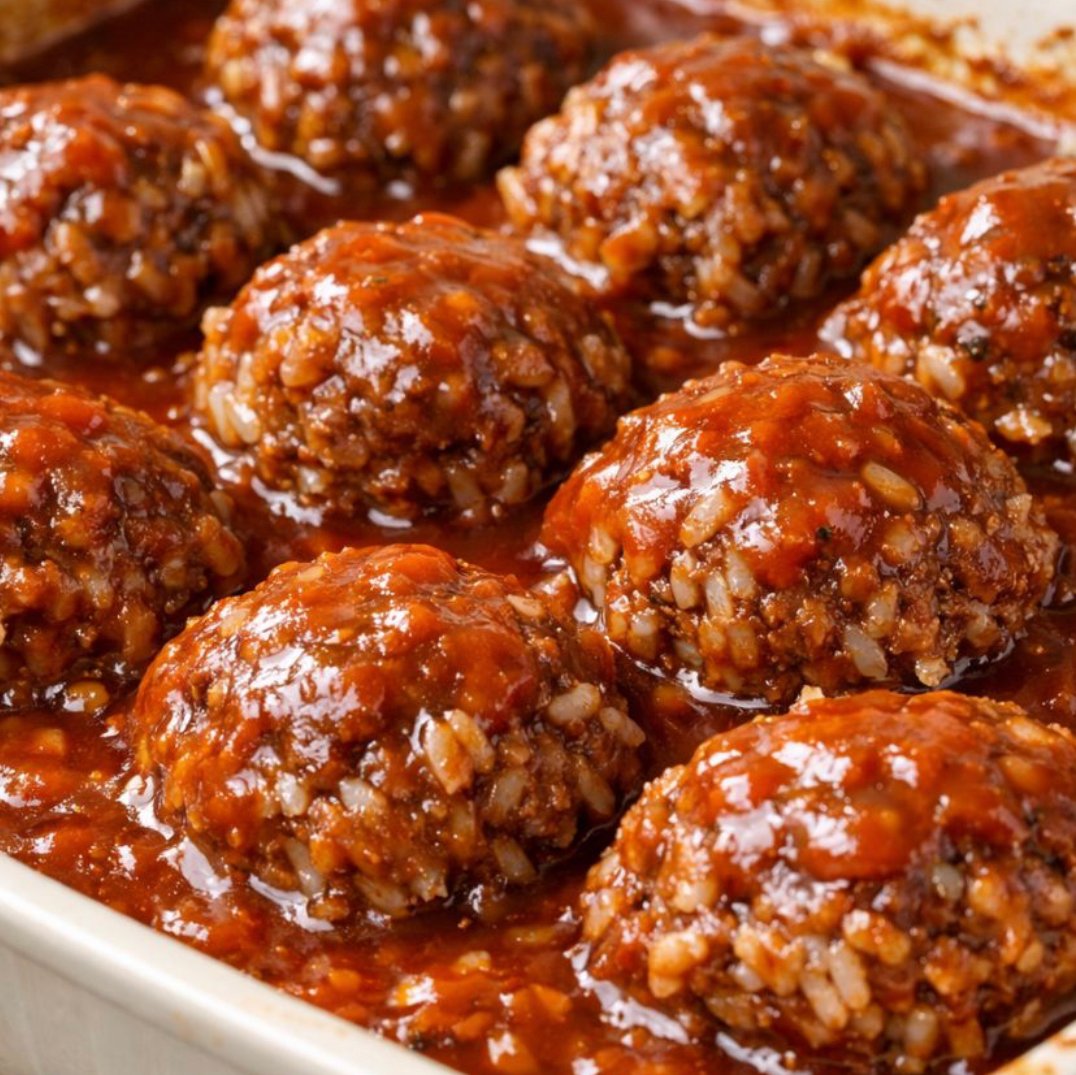
There are some recipes that feel less like cooking and more like coming home. Amish Porcupine Meatballs are exactly that—a humble, hearty, and deeply satisfying dish that has graced Midwestern dinner tables for generations. Named for the way the rice grains poke out of the meatballs during cooking, resembling little porcupine quills, this recipe is the epitome of frugal, clever home cooking.
This oven-baked version streamlines the classic stovetop method into an almost hands-off, one-dish meal. With just four main ingredients—ground beef, rice, condensed tomato soup, and water—you can create a dinner that tastes like it simmered all day. The rice cooks perfectly inside the tender meatballs, while the tomato soup transforms into a rich, tangy gravy that begs to be sopped up with crusty bread or spooned over creamy mashed potatoes. It’s budget-friendly, kid-approved, and pure, unpretentious comfort.
Oven-Baked Amish Porcupine Meatballs
Prep Time: 15 minutes | Bake Time: 1 hour 5-10 minutes | Resting Time: 10 minutes | Total Time: 1 hour 30 minutes
Yield: 6 servings (about 18-24 meatballs)
Ingredients
For the Meatballs:
-
2 pounds ground beef (80–90% lean — not extra lean, as some fat adds moisture)
-
1 cup uncooked long-grain white rice (do not use instant or parboiled rice)
-
1 teaspoon salt (optional, to taste)
-
½ teaspoon black pepper (optional, to taste)
For the Tomato Gravy:
-
2 cans (10.5 ounces each) condensed tomato soup (do not dilute)
-
1½ cups water
For the Pan:
-
Nonstick cooking spray or a little vegetable oil
Instructions
1. Preheat & Prepare:
Preheat your oven to 350°F (175°C). Lightly grease a 9×13-inch baking dish with nonstick cooking spray or a thin coating of oil.
2. Mix the Meatball Base:
In a large bowl, combine the ground beef and uncooked long-grain white rice. Sprinkle with salt and pepper if using. Using clean hands, gently mix just until the rice is evenly distributed throughout the meat. Do not overwork the mixture—overmixing can lead to dense, tough meatballs.
3. Shape the Meatballs:
Roll the beef and rice mixture into golf ball–sized meatballs, about 1½ inches in diameter. You should get roughly 18–24 meatballs, depending on your exact size. Arrange them in a single layer in the prepared baking dish, leaving a little space between each one for the sauce to circulate.
4. Make the Tomato Gravy:
In a medium bowl or large measuring cup, whisk together the condensed tomato soup and water until completely smooth and pourable.
5. Assemble the Dish:
Pour the tomato soup mixture evenly over the raw meatballs. Gently shake the pan or use a spoon to ensure each meatball is coated and there is sauce surrounding them. The meatballs should be mostly submerged, with just their tops peeking out above the liquid.
6. Cover and Bake:
Cover the baking dish tightly with aluminum foil. This traps steam, which is essential for cooking the rice inside the meatballs. Place the dish on the center rack of the preheated oven.
Bake covered for 45 minutes.
7. Uncover and Finish Baking:
Carefully remove the foil, watching out for the hot steam. Return the uncovered dish to the oven and bake for an additional 20–25 minutes, or until:
-
The meatballs are cooked through (no pink in the center)
-
An instant-read thermometer registers 160°F (71°C) in the center of a meatball
-
The rice inside is tender (cut one open to check)
8. Rest and Serve:
Let the meatballs rest in the baking dish for 5–10 minutes after removing them from the oven. During this time, the sauce will thicken slightly into a rich, spoonable gravy.
Serve hot, spooning the tomato gravy generously over each portion of meatballs.
What to Serve With Porcupine Meatballs
These meatballs are wonderfully self-contained, but they shine brightest when paired with something to soak up that delicious tomato gravy:
-
Mashed potatoes – The classic, creamy counterpart
-
Buttered egg noodles – Simple and satisfying
-
Crusty bread or dinner rolls – Perfect for sopping
-
Steamed rice – For a double-rice meal (the gravy is that good)
-
Roasted green beans or a simple green salad – For a fresh contrast
Recipe Notes & Pro Tips
Why “Porcupine”? As the meatballs cook, the rice grains expand and push outward from the surface, creating a spiky, quill-like appearance. It’s whimsical, memorable, and a great way to get kids excited about dinner.
Don’t Use Instant Rice: This recipe relies on long-grain white rice. Instant or minute rice will become mushy and disintegrate during the long bake time. Parboiled (converted) rice may not cook through completely.
Handling the Meat: Use a light touch when mixing and shaping. Overworking the ground beef can result in dense, rubbery meatballs. Mix just until combined—imperfections are welcome here.
Soup is the Sauce: Do not add extra water to the condensed tomato soup beyond the 1½ cups called for. The soup’s concentrated flavor is what creates the signature tangy gravy.
Make-Ahead & Leftovers: These meatballs taste even better the next day as the flavors meld. Store leftovers in an airtight container in the refrigerator for up to 4 days. The rice will continue to absorb liquid, so add a splash of water or broth when reheating.
Freezer Friendly: You can freeze the uncooked, shaped meatballs on a baking sheet, then transfer to a freezer bag. To cook from frozen, add about 15-20 minutes to the covered bake time.
A Bite of American History
Porcupine meatballs emerged during the Great Depression and World War II era, when home cooks needed to stretch scarce, expensive meat with inexpensive fillers. Rice was the perfect solution—it was cheap, shelf-stable, and expanded to make each pound of ground beef go further. The tomato soup gravy added flavor and moisture without requiring a pantry full of spices. What began as a necessity became a beloved family classic, passed down through generations for its cleverness, comfort, and unmistakable taste. This oven-baked version honors that heritage while making the dish even more accessible for today’s busy cooks.