

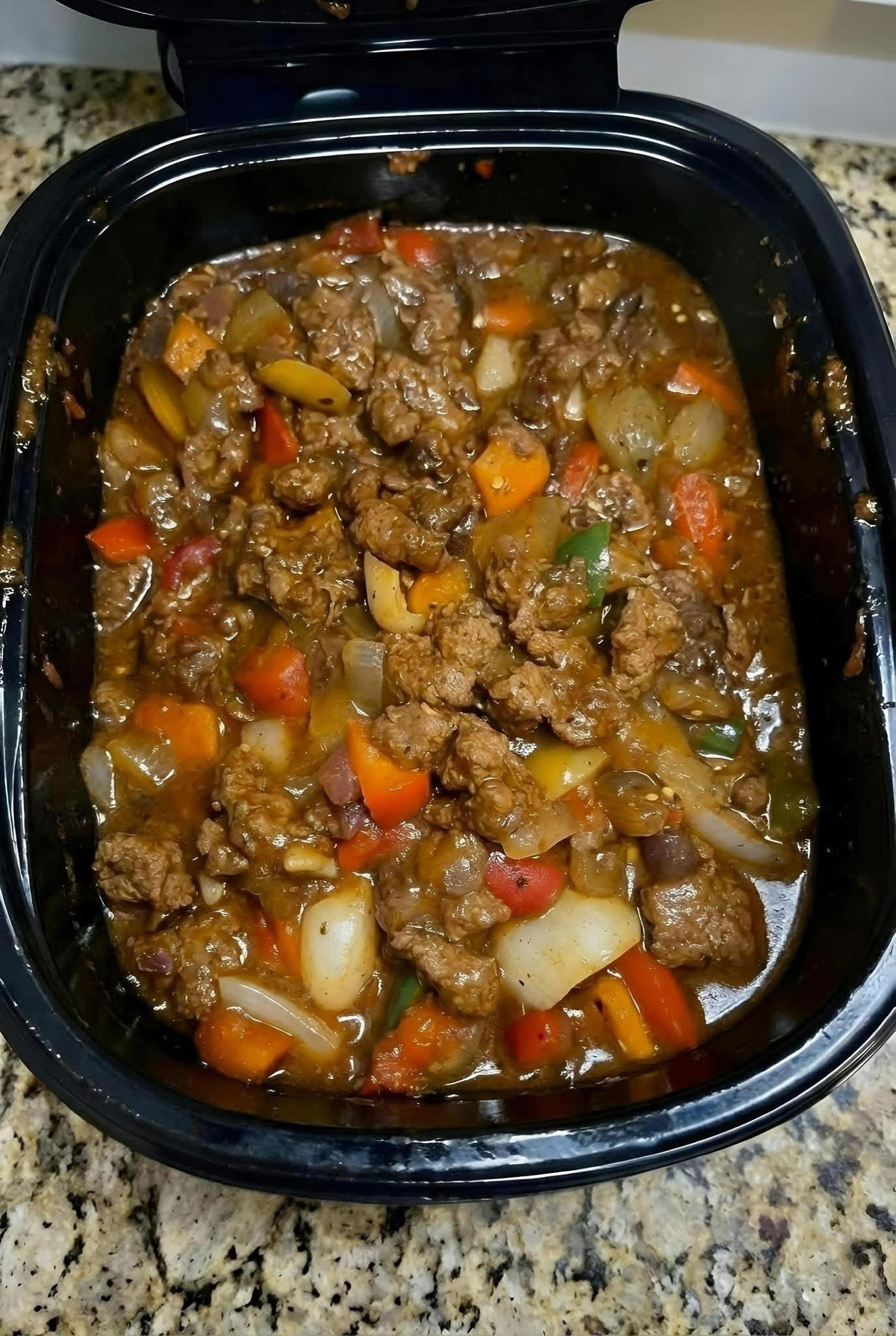
There is something undeniably exciting about a platter of sizzling steak fajitas arriving at your table—the dramatic hiss, the aromatic cloud of grilled onions and peppers, the promise of tender, juicy beef wrapped in a warm tortilla. Steak fajitas are the ultimate interactive meal, perfect for family dinners, casual entertaining, or any night you crave bold, smoky, Tex-Mex flavor.
The beauty of steak fajitas lies in their simplicity. A few quality ingredients—flank steak or skirt steak, bell peppers, onions, lime, and a handful of spices—come together to create something far greater than the sum of their parts. The key is a good marinade to tenderize the beef and infuse it with flavor, a screaming-hot skillet to sear the meat, and the confidence to let everything rest before slicing.
This recipe delivers restaurant-quality steak fajitas at home. The marinade is a perfect balance of tangy lime, savory soy sauce, smoky cumin and chili powder, and a touch of honey for caramelization. The steak cooks quickly, the vegetables stay crisp-tender, and the whole meal comes together in under 30 minutes. Serve it with warm tortillas, fresh toppings, and plenty of lime wedges, and watch everyone build their perfect bite.
Why You Will Love These Steak Fajitas
· Ready in 30 minutes: Faster than takeout.
· Bold, smoky flavor: A perfect marinade and high-heat searing.
· Tender, juicy steak: Skirt steak or flank steak is ideal.
· Sizzling vegetables: Onions and bell peppers with perfect char.
· Interactive and fun: Everyone builds their own fajita.
· Great for crowds: Easily double the recipe.
· Customizable: Add toppings like guacamole, sour cream, or jalapeños.
Ingredients
Here is everything you need for steak fajitas:
For the Steak and Marinade:
· 1½ pounds skirt steak or flank steak
· ¼ cup olive oil
· ¼ cup lime juice (about 2 limes)
· 2 tablespoons soy sauce (or tamari for gluten-free)
· 4 cloves garlic, minced
· 1 tablespoon honey or brown sugar
· 1 tablespoon chili powder
· 1 teaspoon ground cumin
· 1 teaspoon smoked paprika
· ½ teaspoon onion powder
· ½ teaspoon salt
· ¼ teaspoon black pepper
For the Vegetables:
· 2 tablespoons olive oil
· 1 large yellow onion, thinly sliced
· 3 bell peppers (red, yellow, orange, or green), thinly sliced
· 1 teaspoon chili powder
· ½ teaspoon salt
For Serving:
· 8 to 10 flour or corn tortillas (warmed)
· Lime wedges
· Fresh cilantro, chopped
· Sour cream or Mexican crema
· Guacamole or sliced avocado
· Salsa or pico de gallo
· Pickled jalapeños (optional)
Step-by-Step Instructions
Step 1: Make the Marinade
In a medium bowl or a large zip-top bag, combine the olive oil, lime juice, soy sauce, minced garlic, honey (or brown sugar), chili powder, cumin, smoked paprika, onion powder, salt, and black pepper. Whisk or shake until well combined.
Step 2: Marinate the Steak
Place the skirt steak or flank steak in the marinade, turning to coat evenly. Cover and refrigerate for at least 30 minutes, or up to 4 hours. (Do not marinate longer than 4 hours, as the acid can begin to break down the meat’s texture.)
Step 3: Bring Steak to Room Temperature
About 20 minutes before cooking, remove the steak from the refrigerator and let it sit at room temperature. This helps it cook more evenly.
Step 4: Prepare the Vegetables
While the steak comes to room temperature, slice the onion and bell peppers into thin strips (about ¼ inch thick). Set aside.
Step 5: Cook the Steak
Heat a large cast-iron skillet or heavy-bottomed pan over high heat until it is very hot (almost smoking). Remove the steak from the marinade, letting any excess drip off. Pat the steak dry with paper towels—this is essential for a good sear.
Place the steak in the hot skillet. Cook for 3 to 4 minutes per side for medium-rare (130 to 135 degrees Fahrenheit), or longer for your desired doneness. Do not move the steak while it sears—let it develop a dark brown crust.
Step 6: Rest the Steak
Transfer the steak to a cutting board and let it rest for 10 minutes. This allows the juices to redistribute throughout the meat. Do not skip this step.
Step 7: Cook the Vegetables
While the steak rests, return the skillet to high heat. Add the 2 tablespoons of olive oil. Once hot, add the sliced onion and bell peppers. Sprinkle with chili powder and salt. Cook for 3 to 5 minutes, stirring occasionally, until the vegetables are tender-crisp and have nice charred edges. If the skillet seems dry, add a splash of water or lime juice.
Step 8: Slice the Steak
After resting, slice the steak against the grain (perpendicular to the direction of the muscle fibers) into thin strips. This is crucial for tender fajita meat.
Step 9: Combine and Serve
Return the sliced steak to the skillet with the vegetables, tossing to combine. Alternatively, serve the steak and vegetables separately on a sizzling platter. Squeeze fresh lime juice over everything. Serve immediately with warm tortillas and your favorite toppings.
Cooking Tips and Pro Tips for Best Results
· Choose the right cut: Skirt steak is the traditional choice for fajitas—it is thin, flavorful, and has a loose grain that absorbs marinade well. Flank steak is a great substitute.
· Slice against the grain: Look for the lines of muscle fibers running through the meat. Slice perpendicular to those lines. This shortens the fibers and makes the steak tender.
· Get the pan screaming hot: High heat is essential for a good sear. Cast iron holds heat best.
· Pat the steak dry: Moisture prevents browning. Blot the steak with paper towels before it hits the pan.
· Do not overcrowd the pan: If your skillet is too small, cook the steak in batches. Overcrowding lowers the temperature and causes steaming.
· Let the steak rest: Ten minutes of resting allows the juices to redistribute, keeping the meat moist and flavorful.
· Warm the tortillas: Heat tortillas in a dry skillet, directly over a gas flame, or wrapped in foil in the oven. Warm tortillas are more pliable and flavorful.
Variations and Substitutions
· Chicken fajitas: Substitute 1½ pounds of boneless, skinless chicken thighs or breasts. Marinate and cook the same way (chicken takes about 5 to 7 minutes per side).
· Shrimp fajitas: Use 1½ pounds of large shrimp, peeled and deveined. Marinate for only 15 minutes, then cook for 1 to 2 minutes per side.
· Vegetarian fajitas: Use 1 pound of portobello mushrooms, sliced, or extra bell peppers and onions. Sauté until tender.
· Spicy fajitas: Add ½ teaspoon of cayenne pepper to the marinade. Serve with sliced jalapeños and hot sauce.
· Low-carb or keto: Serve the steak and vegetables in lettuce wraps or over cauliflower rice instead of tortillas.
· Gluten-free: Use tamari instead of soy sauce and gluten-free tortillas.
· Add a splash of beer: Substitute 2 tablespoons of beer for 2 tablespoons of lime juice in the marinade for extra depth.
Serving Suggestions
Set up a fajita bar so everyone can build their own:
· Tortillas: Warm flour or corn tortillas
· Proteins: Sliced steak, sautéed peppers and onions
· Fresh toppings: Shredded lettuce, diced tomatoes, chopped cilantro, sliced jalapeños
· Creamy toppings: Sour cream, Mexican crema, guacamole, or sliced avocado
· Cheese: Shredded cheddar, Monterey Jack, or queso fresco
· Sauces: Salsa, pico de gallo, or hot sauce
· Lime wedges: For squeezing over everything
Storage and Reheating Instructions
Refrigerator Storage
Store leftover steak, vegetables, and tortillas separately in airtight containers in the refrigerator for up to 4 days.
Freezer Storage
The marinated raw steak can be frozen for up to 2 months. Thaw overnight in the refrigerator before cooking. Cooked steak fajitas freeze well for up to 2 months.
Reheating Instructions
· Skillet method (best): Reheat the steak and vegetables in a hot skillet for 1 to 2 minutes. This restores the sizzle and char.
· Microwave method: Heat individual portions for 45 to 60 seconds. The vegetables will be softer.
· Air fryer method: Reheat at 350 degrees Fahrenheit for 2 to 3 minutes.
Nutritional Information
Approximate per serving (based on 4 servings, steak and vegetables only, without tortillas or toppings):
· Calories: 420
· Protein: 38g
· Fat: 24g
· Saturated Fat: 6g
· Carbohydrates: 14g
· Fiber: 3g
· Sugar: 8g
· Sodium: 680mg
· Vitamin C: 100% DV
· Iron: 20% DV
Note: Nutritional values are estimates and will vary based on specific ingredients and portion sizes.
Frequently Asked Questions
What is the best steak for fajitas?
Skirt steak is the traditional and best choice—it is thin, flavorful, and tenderizes well with marinating. Flank steak is a close second. Both should be sliced thinly against the grain. Avoid sirloin or round steak, which can be tough.
How long should I marinate the steak?
At least 30 minutes, and up to 4 hours. Skirt steak and flank steak benefit from marinating, but the acid in lime juice can start to break down the meat if left too long. Do not exceed 4 hours.
Why is my steak tough?
Tough steak usually means it was sliced with the grain instead of against it, or it was overcooked. Always slice against the grain. Use a meat thermometer—skirt steak is best at medium-rare (130 to 135 degrees Fahrenheit).
Can I cook fajitas on a grill?
Absolutely. Grill the marinated steak over high heat for 3 to 4 minutes per side. Grill the sliced onions and peppers in a grill basket or on a sheet of foil. This adds wonderful smoky flavor.
Can I make fajitas in a slow cooker?
You can, but the texture will be different. Slow-cooked steak becomes shreddable (like for tacos) rather than sliceable. If you want that, cook the marinated steak in the slow cooker on LOW for 4 to 5 hours, then shred.
What is the best way to warm tortillas?
Wrap a stack of tortillas in foil and warm them in a 350-degree oven for 10 minutes. Alternatively, heat them one at a time in a dry skillet over medium heat for 15 to 20 seconds per side, or directly over a gas flame using tongs (for corn tortillas).
Can I add other vegetables?
Yes. Zucchini, mushrooms, or even asparagus are excellent additions. Add them with the bell peppers.
Is this recipe gluten-free?
Not as written. Use tamari instead of soy sauce and ensure your chili powder and other spices are gluten-free. Serve with corn tortillas.
Final Thoughts
Steak fajitas are the ultimate combination of bold flavor, satisfying texture, and interactive fun. A well-marinated skirt steak, seared in a screaming-hot pan until it develops a dark, smoky crust, then sliced thin and served with charred onions and peppers—it is a meal that never gets old.
This recipe captures everything you love about restaurant fajitas, but it is faster, cheaper, and made exactly the way you like them. The marinade is simple but packed with flavor. The cooking technique is straightforward. And the toppings? Endless.
So fire up that cast-iron skillet, squeeze those limes, and slice that steak against the grain. In about 30 minutes, you will have a sizzling, colorful, irresistible platter of steak fajitas that will have everyone reaching for a warm tortilla. That is the beauty of Tex-Mex cooking—big flavors, fresh ingredients, and a whole lot of fun. Enjoy.