

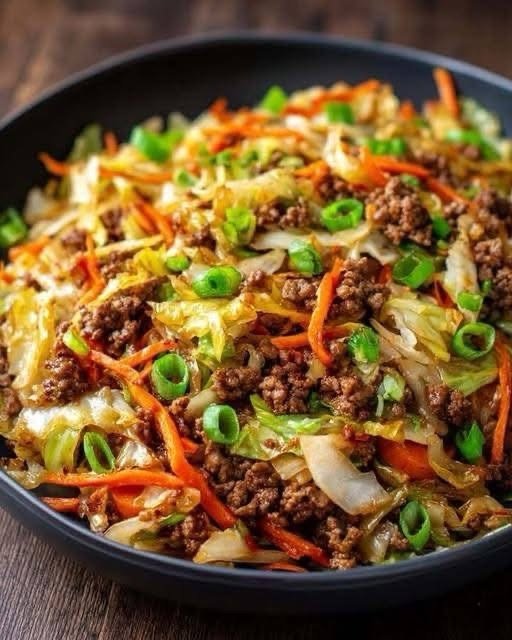
There are certain meals that come together so quickly, use such humble ingredients, and deliver such bold, satisfying flavor that they become instant weeknight heroes. Chinese cabbage and ground beef is exactly that dish. Also known as “san chao rou” or simply cabbage stir-fry, this recipe transforms a head of napa cabbage and a pound of ground beef into a savory, slightly sweet, umami-packed meal that is ready in under 20 minutes.
The beauty of this Chinese cabbage and ground beef stir-fry lies in its simplicity. Napa cabbage—also called Chinese cabbage—has a mild, slightly sweet flavor and a tender-crisp texture that holds up beautifully to high heat. When stir-fried with ground beef, garlic, ginger, and a simple sauce made from soy sauce, oyster sauce, and a touch of sesame oil, the cabbage absorbs all those savory flavors while retaining a pleasant bite. The result is a dish that is comforting, nutritious, and deeply satisfying.
This recipe is incredibly versatile. Serve it over steamed rice for a complete meal, use it as a filling for lettuce wraps or dumplings, or enjoy it on its own as a low-carb, high-protein dinner. It is budget-friendly, uses pantry staples, and comes together faster than takeout delivery. Whether you are new to stir-frying or a seasoned wok master, this Chinese cabbage and ground beef recipe will become a go-to in your kitchen.
Why You Will Love This Chinese Cabbage and Ground Beef
· Ready in 20 minutes: Faster than ordering takeout.
· One-pan meal: Minimal cleanup, maximum flavor.
· Budget-friendly: Ground beef and cabbage are both inexpensive.
· Healthy and satisfying: High in protein, low in carbs, packed with vegetables.
· Great for meal prep: Tastes even better the next day.
· Customizable: Add mushrooms, bell peppers, or swap the protein.
· Naturally gluten-free adaptable: Use tamari instead of soy sauce.
Ingredients
Here is everything you need for Chinese cabbage and ground beef:
For the Stir-Fry:
· 1 pound lean ground beef (85/15 or 90/10)
· 1 medium head napa cabbage (about 2 pounds), thinly sliced
· 1 tablespoon vegetable oil or avocado oil
· 1 small yellow onion, thinly sliced
· 4 cloves garlic, minced
· 1 tablespoon fresh ginger, minced (about 1-inch piece)
· 2 green onions, sliced (white and green parts separated)
For the Sauce:
· 3 tablespoons low-sodium soy sauce (or tamari for gluten-free)
· 1 tablespoon oyster sauce (or vegetarian mushroom oyster sauce)
· 1 tablespoon Shaoxing wine (or dry sherry, or substitute with chicken broth)
· 1 teaspoon sesame oil
· 1 teaspoon sugar (or honey)
· ½ teaspoon white pepper (or black pepper)
· ¼ cup water or chicken broth
For Thickening (Optional):
· 1 teaspoon cornstarch mixed with 2 teaspoons cold water
For Serving (Optional):
· Steamed jasmine or white rice
· Sesame seeds
· Red pepper flakes or chili oil
· Fresh cilantro
Step-by-Step Instructions
Step 1: Prepare the Cabbage
Remove any wilted outer leaves from the napa cabbage. Cut the cabbage in half lengthwise, then cut each half crosswise into 1-inch-wide strips. The white ribs and green leaves will cook at slightly different rates, which is fine—the ribs add crunch. Rinse the cabbage in a colander and shake off excess water (do not spin dry completely; a little water helps steam the cabbage).
Step 2: Make the Sauce
In a small bowl, whisk together the soy sauce, oyster sauce, Shaoxing wine (or substitute), sesame oil, sugar, white pepper, and water or broth. If you plan to thicken the sauce, prepare the cornstarch slurry in a separate small bowl.
Step 3: Brown the Ground Beef
Heat a large wok or heavy-bottomed skillet over high heat. Add the vegetable oil and swirl to coat. Add the ground beef and spread it into an even layer. Let it cook undisturbed for 1 to 2 minutes to develop a brown crust, then break it apart with a spatula and continue cooking until no longer pink, about 3 to 4 minutes. Use a slotted spoon to transfer the beef to a plate, leaving the drippings in the pan.
Step 4: Sauté the Aromatics
Add the sliced onion to the same pan and stir-fry for 1 to 2 minutes until it begins to soften. Add the minced garlic, minced ginger, and the white parts of the green onions. Stir-fry for 30 seconds until fragrant, being careful not to burn the garlic.
Step 5: Add the Cabbage
Add the sliced napa cabbage to the pan in batches if necessary. It will look like a huge amount, but it wilts dramatically. Stir-fry for 2 to 3 minutes, tossing frequently, until the cabbage has reduced in volume by about half and the ribs are tender-crisp.
Step 6: Return the Beef and Add the Sauce
Return the cooked ground beef to the pan. Pour the sauce over everything. Stir-fry for 1 to 2 minutes until the sauce is heated through and coats the cabbage and beef evenly. If using the cornstarch slurry, push the ingredients to the sides of the pan, pour the slurry into the center, and stir until the sauce thickens slightly, about 30 seconds.
Step 7: Garnish and Serve
Transfer the Chinese cabbage and ground beef to a serving platter or bowl. Garnish with the green parts of the green onions, sesame seeds, and red pepper flakes or chili oil if desired. Serve immediately with steamed rice.
Cooking Tips and Pro Tips for Best Results
· Use napa cabbage, not green cabbage: Napa cabbage is milder, sweeter, and more tender than round green cabbage. Its leaves wilt beautifully and absorb sauces without becoming tough.
· Do not overcook the cabbage: The cabbage should be tender-crisp, not mushy. It will continue to cook slightly after it comes off the heat, so pull it when it still has a little bite.
· High heat is essential: Stir-frying requires high heat to achieve the “wok hei” (breath of the wok) flavor. If your pan is not hot enough, the ingredients will steam instead of sear.
· Prep everything before you start: Stir-frying moves fast. Have all your ingredients chopped, measured, and within reach before you turn on the heat.
· Use a large pan: A crowded pan lowers the temperature and causes steaming. Use the largest wok or skillet you have, or cook in batches.
· Adjust the sauce to your taste: This sauce is savory with a hint of sweetness. Add more sugar for sweetness, more soy sauce for saltiness, or a splash of rice vinegar for tang.
· Make it spicy: Add 1 to 2 teaspoons of chili bean paste (doubanjiang) or a drizzle of chili oil along with the aromatics.
Variations and Substitutions
· Chinese cabbage and ground pork: Substitute ground pork for beef. Pork has a slightly sweeter flavor that pairs beautifully with napa cabbage.
· Vegetarian version: Use crumbled firm tofu or plant-based ground meat instead of beef. Substitute mushroom oyster sauce for the oyster sauce.
· Spicy Szechuan cabbage and beef: Add 1 tablespoon of doubanjiang (Szechuan chili bean paste) and 1 teaspoon of Szechuan peppercorns (ground) along with the aromatics. Garnish with chili oil.
· With mushrooms: Add 8 ounces of sliced shiitake or cremini mushrooms when you sauté the onions. The mushrooms add umami and texture.
· With glass noodles: Soak 4 ounces of dried glass noodles (bean thread noodles) in warm water until soft. Add them to the pan along with the sauce for a heartier, noodle-based dish.
· Low-carb or keto: This dish is naturally low in carbs. Omit the sugar and serve as is or over cauliflower rice.
· Chinese cabbage and beef soup: Add 4 cups of chicken or beef broth after stir-frying, simmer for 5 minutes, and serve as a comforting soup.
· With bell peppers and carrots: Add 1 thinly sliced bell pepper and 1 shredded carrot along with the cabbage for extra color and crunch.
Serving Suggestions
This Chinese cabbage and ground beef is a complete meal when served over rice, but here are other delicious ways to enjoy it:
· Over steamed jasmine or white rice: The classic and most satisfying option. The rice soaks up every drop of the savory sauce.
· In lettuce wraps: Spoon the mixture into butter lettuce or romaine leaves. Top with extra green onions and a drizzle of chili oil.
· As a dumpling filling: Let the mixture cool completely, then use it as a filling for homemade potstickers or wontons.
· Over noodles: Toss with cooked lo mein noodles, udon, or ramen noodles for a quick noodle bowl.
· With fried rice: Fold leftovers into fried rice along with an egg and extra soy sauce.
· As a side dish: Serve alongside other Chinese dishes like Kung Pao chicken or mapo tofu.
· In a rice bowl: Top a bowl of rice with the cabbage and beef, a fried egg, and a drizzle of sriracha.
For a complete Chinese-inspired meal, serve this dish with steamed rice, egg drop soup, and a side of cucumber salad.
Storage and Reheating Instructions
Refrigerator Storage
Store leftover Chinese cabbage and ground beef in an airtight container in the refrigerator for up to 4 days. The flavors continue to meld, making leftovers even more delicious.
Freezer Storage
This dish freezes well for up to 2 months. Cool completely, then transfer to freezer-safe containers or heavy-duty bags. Thaw overnight in the refrigerator before reheating. Note that the cabbage will be softer after freezing, but the flavor remains excellent.
Reheating Instructions
· Stovetop method (best): Reheat in a wok or skillet over medium-high heat, stirring occasionally, until hot throughout. Add a splash of water or broth if the dish seems dry.
· Microwave method: Heat individual portions in a microwave-safe bowl for 60 to 90 seconds, stirring halfway through.
· Steamer method: Steam in a bamboo steamer or metal steamer basket for 5 to 7 minutes.
Do not reheat more than once. Only reheat the portion you plan to eat.
Nutritional Information
Approximate per serving (based on 4 servings, without rice):
· Calories: 380
· Protein: 28g
· Fat: 22g
· Saturated Fat: 7g
· Carbohydrates: 14g
· Fiber: 4g
· Sugar: 7g
· Sodium: 780mg
· Vitamin C: 70% DV
· Vitamin K: 120% DV
· Iron: 15% DV
Note: Nutritional values are estimates and will vary based on specific ingredients, portion sizes, and fat content of ground beef.
Frequently Asked Questions
What is the difference between napa cabbage and regular green cabbage?
Napa cabbage (also called Chinese cabbage) has elongated, pale green to white leaves with a sweeter, milder, more delicate flavor than round green cabbage. It is more tender and cooks faster, making it ideal for stir-fries. Regular green cabbage is tougher, more peppery, and requires longer cooking. Do not substitute green cabbage in this recipe unless you shred it very finely and cook it longer.
Can I use ground turkey or chicken instead of beef?
Yes. Ground turkey or chicken work beautifully in this recipe. Because they are leaner than beef, add 1 tablespoon of oil to the pan when browning to prevent sticking and dryness. Ground dark meat turkey or chicken will be juicier than white meat.
Is this recipe authentic Chinese food?
This recipe is inspired by home-style Chinese cooking, specifically stir-fried cabbage with minced meat, which is common in many regions of China. While the exact combination varies by household, the technique of stir-frying cabbage with ground meat, garlic, ginger, and a soy-oyster sauce base is authentic to everyday Chinese home cooking.
How do I prevent the cabbage from becoming watery?
Do not rinse the cabbage excessively or leave it sitting in water. A quick rinse followed by shaking off excess water is fine—a little moisture helps steam the cabbage. Cook over high heat so the water evaporates quickly. Do not cover the pan, as trapping steam will make the cabbage soggy.
Can I make this dish without oyster sauce?
Yes. Oyster sauce adds a savory, slightly sweet depth, but you can omit it. Substitute with 1 additional tablespoon of soy sauce plus 1 teaspoon of sugar, or use vegetarian mushroom oyster sauce (widely available). Hoisin sauce is another substitute, though it is sweeter.
What can I use instead of Shaoxing wine?
Shaoxing wine is a Chinese rice wine that adds depth and complexity. Good substitutes include dry sherry, mirin (though sweeter), or a mixture of 1 tablespoon of chicken broth with a splash of rice vinegar. In a pinch, you can omit it entirely and add an extra tablespoon of broth.
Why is my stir-fry sauce not thickening?
The sauce in this recipe is meant to be light and coating, not thick like a gravy. If you prefer a thicker sauce, use the cornstarch slurry option. Make sure the sauce is simmering when you add the slurry, and stir immediately. The slurry will thicken within 30 seconds.
Can I add other vegetables to this dish?
Absolutely. Thinly sliced bell peppers, shredded carrots, snap peas, broccoli florets, or baby corn are all excellent additions. Add them when you add the cabbage. If adding denser vegetables like broccoli, blanch them first or add them a minute before the cabbage.
Final Thoughts
Chinese cabbage and ground beef is the definition of a weeknight hero. It comes together in under 20 minutes, uses ingredients you likely already have, and delivers big, bold flavors that will have everyone reaching for seconds. The tender-crisp cabbage, savory ground beef, and aromatic garlic-ginger-soy sauce create a dish that is comforting, healthy, and deeply satisfying.
This recipe is also a wonderful canvas for creativity. Change the protein, add mushrooms, toss in glass noodles, or spice it up with chili bean paste. Serve it over rice, in lettuce wraps, or as a dumpling filling. However you make it, this stir-fry will become a regular request in your kitchen.
So grab a head of napa cabbage, a pound of ground beef, and your largest skillet or wok. Heat it up high, stir-fry fast, and enjoy a meal that tastes like takeout but is faster, healthier, and more affordable. That is the beauty of Chinese home cooking—simple ingredients, prepared with care, shared with love.