

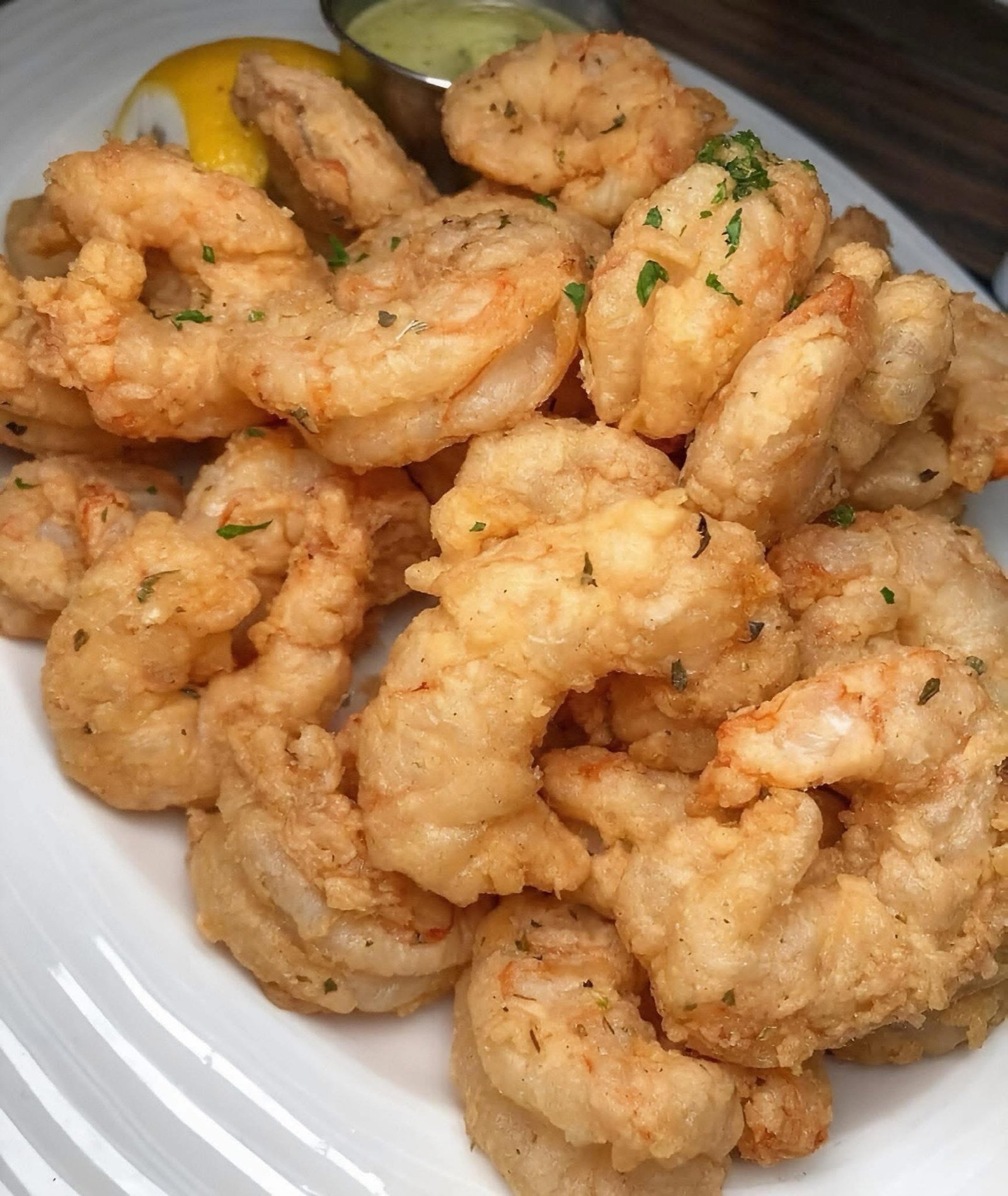
There is a reason crispy fried shrimp is a universal favorite—from beachside shacks to elegant seafood dinners, from po’ boys to party platters. When done right, each bite delivers a shatteringly crisp, golden crust that gives way to sweet, tender, juicy shrimp. No sogginess. No greasiness. Just pure, crunchy perfection. This recipe for crispy fried shrimp will give you exactly that.
The secret to exceptional fried shrimp lies in three things: proper preparation, the right coating, and correct oil temperature. This recipe uses a buttermilk soak to tenderize the shrimp and help the coating adhere, a seasoned flour-cornmeal mixture for texture and flavor, and a hot, stable frying temperature that seals the crust instantly. Whether you serve them as an appetizer, pile them onto a sandwich, or make them the star of a seafood dinner, these crispy fried shrimp will disappear faster than you can make them.
This recipe is approachable for home cooks. You do not need a deep fryer—a heavy-bottomed pot or Dutch oven works perfectly. The coating is egg-free (many people prefer it that way for extra crispiness), and the seasoning is fully customizable. Once you master this method, you will never reach for frozen, store-bought fried shrimp again.
Why You Will Love This Crispy Fried Shrimp
· Incredibly crunchy: A light, shatter-crisp coating that stays crunchy for hours.
· Juicy inside: The shrimp remain sweet and tender, never rubbery.
· No egg wash: This recipe uses buttermilk for a lighter, crispier crust.
· Perfectly seasoned: A blend of spices that complements, not overwhelms, the shrimp.
· Great for crowds: Easily doubles or triples for parties and game days.
· Versatile: Serve as an appetizer, in tacos, on salads, or in po’ boys.
· Freezer-friendly: Fry once, freeze, and reheat in an air fryer or oven.
Ingredients
Here is everything you need for the crispiest fried shrimp:
For the Shrimp:
· 1 ½ pounds large or extra-large shrimp (16 to 20 count per pound)
· 1 cup buttermilk (or 1 cup milk mixed with 1 tablespoon lemon juice or vinegar)
· 1 teaspoon hot sauce (optional, for tang and heat)
For the Coating:
· 1 cup all-purpose flour
· ½ cup cornmeal (fine or medium grind)
· ¼ cup cornstarch (the secret to extra crispiness)
· 1 teaspoon salt
· 1 teaspoon black pepper
· 1 teaspoon garlic powder
· 1 teaspoon onion powder
· 1 teaspoon paprika (or smoked paprika)
· ½ teaspoon cayenne pepper (optional, for heat)
· ½ teaspoon dried oregano (optional)
For Frying:
· Peanut oil, vegetable oil, or canola oil (enough for 2 inches deep in your pot)
· Flaky sea salt (for finishing)
For Serving (Optional):
· Lemon wedges
· Cocktail sauce
· Tartar sauce
· Remoulade
· Fresh parsley
Step-by-Step Instructions
Step 1: Prepare the Shrimp
If using frozen shrimp, thaw them overnight in the refrigerator or under cold running water. Peel the shrimp, leaving the tails on for easy handling (tails also add visual appeal). Devein by making a shallow cut along the back and removing the dark vein. Pat the shrimp completely dry with paper towels.
Step 2: Buttermilk Soak
In a medium bowl, whisk together the buttermilk and hot sauce (if using). Add the shrimp and stir to coat. Cover and refrigerate for 15 to 30 minutes. Do not soak longer than 30 minutes, or the buttermilk can begin to break down the shrimp’s texture.
Step 3: Prepare the Coating
In a shallow dish or large zip-top bag, combine the flour, cornmeal, cornstarch, salt, black pepper, garlic powder, onion powder, paprika, cayenne (if using), and oregano. Whisk or shake to blend thoroughly.
Step 4: Heat the Oil
Pour enough oil into a heavy-bottomed pot or Dutch oven to reach a depth of 2 inches. Heat the oil over medium-high heat to 350 degrees Fahrenheit (175 degrees Celsius). Use a deep-fry or candy thermometer to monitor the temperature. While the oil heats, set a wire rack over a baking sheet lined with paper towels.
Step 5: Coat the Shrimp
Working in batches, remove the shrimp from the buttermilk, allowing any excess to drip off. Dredge each shrimp in the flour-cornmeal mixture, pressing gently to adhere. Shake off any excess coating. Place the coated shrimp on a clean plate or wire rack while you coat the remaining shrimp.
Step 6: Fry the Shrimp
Carefully drop 5 to 6 shrimp into the hot oil, one at a time, to prevent sticking. Do not overcrowd the pot—this will lower the oil temperature and make the shrimp greasy. Fry for 1 to 2 minutes per side, until the coating is golden brown and crispy. The shrimp should float and be opaque throughout. Use a slotted spoon or spider to transfer the fried shrimp to the prepared wire rack. Sprinkle immediately with flaky sea salt.
Step 7: Maintain Oil Temperature
Allow the oil to return to 350 degrees Fahrenheit between batches. Use a thermometer and adjust the heat as needed. This step is crucial for consistent crispiness.
Step 8: Serve
Serve the crispy fried shrimp hot, with lemon wedges and your favorite dipping sauces. Garnish with fresh parsley if desired.
Cooking Tips and Pro Tips for Best Results
· Do not skip the cornstarch: Cornstarch is the secret to an exceptionally crispy, light coating. It absorbs moisture and promotes browning without absorbing excess oil.
· Use large shrimp: Large or extra-large shrimp (16/20 count) are ideal. They stay juicy during frying and provide a satisfying meaty bite. Small shrimp dry out too quickly.
· Keep the tails on: Tails give you a handle for dipping and add visual appeal. They also help prevent the coating from sliding off.
· Do not overcrowd: Overcrowding drops the oil temperature, leading to greasy, soggy shrimp. Fry in small batches and give them space.
· Use a thermometer: Guessing the oil temperature is the number one reason fried shrimp fail. 350 degrees Fahrenheit is the sweet spot—hot enough to crisp quickly without burning.
· Drain on a wire rack: Paper towels trap steam and make the bottom of the shrimp soggy. A wire rack allows air circulation, keeping all sides crispy.
· Season immediately: Sprinkle salt on the shrimp as soon as they come out of the oil. The salt adheres best while the coating is still hot and slightly oily.
Variations and Substitutions
· Coconut shrimp: Replace ½ cup of the flour-cornmeal mixture with ½ cup of sweetened shredded coconut. Serve with orange marmalade or sweet chili sauce.
· Panko-crusted shrimp: Skip the cornmeal and use 1 cup of panko breadcrumbs mixed with the seasoned flour for an extra-crunchy, craggy coating.
· Spicy Cajun shrimp: Add 1 tablespoon of Cajun seasoning to the coating and an extra ¼ teaspoon of cayenne. Serve with remoulade.
· Gluten-free crispy fried shrimp: Substitute the all-purpose flour with a gluten-free 1:1 flour blend. Use gluten-free cornmeal and cornstarch (both are naturally gluten-free).
· Lemon pepper shrimp: Add 1 tablespoon of lemon pepper seasoning to the coating and omit the paprika and oregano. Serve with lemon wedges.
· Air fryer version: Coat the shrimp as directed. Spray generously with oil. Air fry at 400 degrees Fahrenheit for 6 to 8 minutes, flipping halfway through, until golden and crispy.
· Baked version: For a lighter option, coat the shrimp, place on a greased wire rack over a baking sheet, spray with oil, and bake at 425 degrees Fahrenheit for 10 to 12 minutes.
Serving Suggestions
Crispy fried shrimp are endlessly versatile. Here are some of the best ways to serve them:
· Classic appetizer: Serve with cocktail sauce, lemon wedges, and fresh parsley. Add a bowl of tartar sauce or remoulade for variety.
· Po’ boy sandwich: Pile the shrimp onto a toasted French or hoagie roll. Top with shredded lettuce, sliced tomatoes, pickles, and remoulade sauce.
· Shrimp tacos: Tuck the shrimp into warm corn tortillas. Top with cabbage slaw, crema, avocado, and a squeeze of lime.
· Over salad: Place warm crispy shrimp on a bed of mixed greens, cherry tomatoes, cucumber, and red onion. Drizzle with a light lemon vinaigrette.
· Shrimp and grits: Serve the fried shrimp over creamy stone-ground grits with a drizzle of Cajun butter sauce.
· With french fries and coleslaw: A classic seafood shack plate. Serve with malt vinegar and extra lemon.
· As a rice bowl: Over jasmine rice with steamed broccoli and a drizzle of spicy mayo.
For a complete seafood feast, pair these crispy fried shrimp with fried fish, hushpuppies, and coleslaw.
Storage and Reheating Instructions
Refrigerator Storage
Store leftover crispy fried shrimp in an airtight container in the refrigerator for up to 2 days. Be aware that the coating will soften over time.
Freezer Storage
Fried shrimp freeze well for up to 2 months. Arrange cooled shrimp in a single layer on a baking sheet and freeze until solid (about 2 hours). Transfer to a freezer-safe bag or container. Do not thaw before reheating.
Reheating Instructions (to Restore Crispiness)
· Air fryer method (best): Reheat at 375 degrees Fahrenheit for 3 to 4 minutes, shaking halfway through. The coating will become nearly as crispy as fresh.
· Oven method: Preheat to 400 degrees Fahrenheit. Place shrimp on a wire rack over a baking sheet and heat for 5 to 7 minutes.
· Skillet method: Heat 1 tablespoon of oil in a non-stick skillet over medium-high heat. Fry the shrimp for 1 minute per side until recrisped.
· Microwave method (not recommended): The microwave will make the shrimp rubbery and the coating soggy. Only use if absolutely necessary, and heat in 15-second intervals.
Do not reheat more than once. Only reheat the portion you plan to eat.
Nutritional Information
Approximate per serving (based on 4 servings, using large shrimp, fried in vegetable oil, without dipping sauce):
· Calories: 490
· Protein: 28g
· Fat: 28g
· Saturated Fat: 4g
· Carbohydrates: 32g
· Fiber: 2g
· Sugar: 3g
· Sodium: 880mg
· Vitamin A: 10% DV
· Vitamin C: 6% DV
· Calcium: 8% DV
· Iron: 15% DV
Note: Nutritional values are estimates and will vary based on specific ingredients, portion sizes, and oil absorption.
Frequently Asked Questions
How do you keep fried shrimp crispy?
The key to keeping fried shrimp crispy is proper draining and serving immediately. Drain on a wire rack, not paper towels. Do not cover them while hot—steam will soften the coating. If you must hold them before serving, place them on a wire rack in a warm oven (200 degrees Fahrenheit) for up to 20 minutes.
Can I use pre-cooked shrimp for frying?
No. Pre-cooked shrimp will become rubbery and overcooked during frying. Always start with raw shrimp for the best texture and flavor.
Why is my fried shrimp soggy?
Soggy shrimp usually result from oil that is not hot enough, overcrowding the pot, or draining on paper towels. Use a thermometer to maintain 350 degrees Fahrenheit, fry in small batches, and drain on a wire rack.
Do I need to peel the shrimp before frying?
Yes, peel the shrimp, but leave the tails on. The tails provide a handle and prevent the coating from sliding off. Remove the dark vein along the back for better appearance and texture.
Can I make this recipe without buttermilk?
Yes. You can use regular milk mixed with 1 tablespoon of lemon juice or white vinegar (let it sit for 5 minutes). You can also use plain yogurt thinned with a little milk, or even an egg wash (1 egg beaten with 2 tablespoons of water) though the texture will be slightly different.
What is the best oil for frying shrimp?
Peanut oil is ideal because of its high smoke point and neutral flavor. Vegetable oil, canola oil, and sunflower oil also work well. Avoid olive oil (smoke point too low) and coconut oil (flavor too strong unless you want a coconut taste).
Can I bake or air fry these instead of deep frying?
Yes. For air frying, coat the shrimp as directed, spray generously with oil, and air fry at 400 degrees Fahrenheit for 6 to 8 minutes, flipping halfway. For baking, place on a greased wire rack over a baking sheet, spray with oil, and bake at 425 degrees Fahrenheit for 10 to 12 minutes. The texture will be slightly less crispy than deep-fried but still delicious.
How do I know when the oil is at 350 degrees Fahrenheit without a thermometer?
Without a thermometer, drop a small piece of bread or a pinch of flour into the oil. If it sizzles and rises to the surface within 5 to 10 seconds, the oil is ready. If it browns immediately, the oil is too hot. If it sinks and does not sizzle, the oil is not hot enough. A thermometer is strongly recommended for consistent results.
Final Thoughts
Crispy fried shrimp are the kind of food that brings people together. Whether you are serving them at a casual summer cookout, a game day party, or a quiet dinner at home, they never fail to delight. The combination of a shatteringly crisp, golden crust and a sweet, tender shrimp inside is pure magic.
This recipe gives you all the tools you need to achieve that magic at home. The buttermilk soak, the cornstarch-laced coating, the precise oil temperature, and the wire rack draining all work together to create fried shrimp that rival the best seafood shacks. Once you master this method, you will never go back to frozen, pre-breaded shrimp again.
So heat that oil, dredge those shrimp, and get ready to hear that satisfying sizzle. Serve them hot, with lemon wedges and your favorite dipping sauce, and watch them disappear. That is the power of really good crispy fried shrimp.