

Introduction
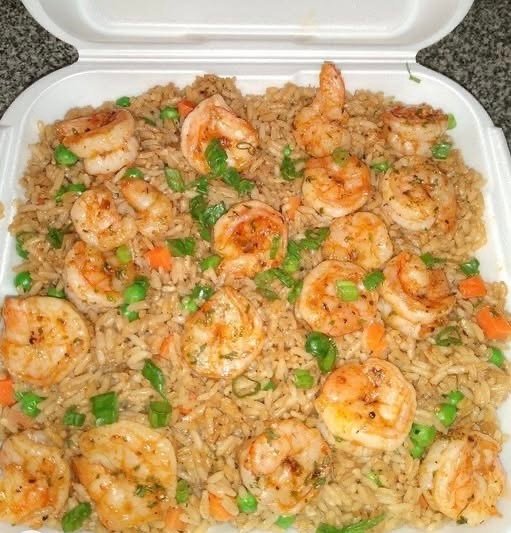
There’s something magical about a steaming plate of homemade fried rice—each grain glossy, slightly smoky, and packed with plump shrimp, crisp vegetables, and savory umami flavor. This Fried Rice with Shrimp comes together in under 20 minutes, making it faster than takeout and infinitely more delicious. No more sad, soggy delivery rice or mystery ingredients. With a few simple techniques (like using day-old rice and high heat), you’ll achieve that authentic wok-hei flavor right in your own kitchen. Whether you need a quick weeknight dinner, a meal prep hero, or a way to use up leftover rice, this recipe delivers restaurant-quality results with minimal effort.
Why You’ll Love This Recipe
- Faster than delivery: Once your ingredients are prepped, the actual cooking takes less than 10 minutes. No waiting 45 minutes for a delivery driver.
- Customizable and forgiving: Have extra veggies in the fridge? Toss them in. Prefer chicken or tofu? Swap the shrimp. Fried rice welcomes almost any addition.
- Incredible texture and flavor: Using cold, day-old rice prevents mushiness, while a quick blast of high heat creates those coveted lightly charred bits and smoky notes.
Ingredients
- 4 cups cooked white rice (preferably day-old, jasmine or long-grain)
- 12 oz large raw shrimp, peeled, deveined, and tails removed
- 3 tablespoons vegetable oil or avocado oil, divided
- 3 large eggs, lightly beaten
- 1 small yellow onion, finely diced
- 2 cloves garlic, minced
- 1 cup frozen peas and carrots mix (thawed)
- 3 green onions, thinly sliced (whites and greens separated)
- For the shrimp marinade:
- 1 teaspoon soy sauce (or tamari)
- 1 teaspoon sesame oil
- ½ teaspoon white pepper (or black pepper)
- For the fried rice sauce:
- 3 tablespoons low-sodium soy sauce
- 1 tablespoon oyster sauce (or vegetarian mushroom sauce)
- 1 teaspoon fish sauce (optional, but recommended)
- 1 teaspoon sugar
- ¼ teaspoon white pepper
Instructions
- Prep the shrimp: In a small bowl, combine the shrimp with 1 teaspoon soy sauce, 1 teaspoon sesame oil, and ½ teaspoon white pepper. Let it marinate for 5–10 minutes while you prep other ingredients.
- Make the sauce: In another small bowl, whisk together the soy sauce, oyster sauce, fish sauce (if using), sugar, and ¼ teaspoon white pepper. Set aside.
- Scramble the eggs: Heat 1 tablespoon of oil in a large wok or non-stick skillet over medium-high heat. Add the beaten eggs and scramble quickly for 30–45 seconds until just set but still soft. Transfer eggs to a plate.
- Cook the shrimp: Add another tablespoon of oil to the same wok. Add the marinated shrimp in a single layer. Cook for 1–2 minutes per side until pink, curled, and opaque. Remove shrimp and set aside with the eggs.
- Sauté aromatics and veggies: Add the remaining 1 tablespoon of oil to the wok. Add the diced onion and the white parts of the green onions. Stir-fry for 1 minute until fragrant. Add the minced garlic and cook for 30 seconds. Add the peas and carrots, stir-frying for another minute.
- Add the rice: Break up any clumps of the cold, day-old rice with your fingers and add it to the wok. Increase heat to high. Using a spatula, toss and press the rice against the hot surface, breaking up clumps and coating each grain with oil. Cook for 2–3 minutes, letting the rice toast slightly.
- Add the sauce: Pour the prepared sauce evenly over the rice. Toss vigorously to combine, ensuring every grain gets coated.
- Return eggs and shrimp: Add the cooked eggs and shrimp back to the wok. Toss gently to distribute without breaking the shrimp.
- Finish and serve: Stir in the green parts of the green onions. Taste and add a pinch more soy sauce or white pepper if needed. Serve immediately, hot from the wok.
Tips for Best Results
- Use day-old rice: Freshly cooked rice has too much moisture and turns mushy. Spread cooked rice on a baking sheet and refrigerate uncovered for at least 2 hours or overnight.
- High heat is your friend: Fried rice needs a hot wok or skillet to get that smoky flavor. Don’t be afraid to crank the heat to high once the rice goes in.
- Prep everything before you start: Fried rice cooks fast. Have all your ingredients measured, chopped, and within arm’s reach before turning on the heat.
- Don’t overcrowd the pan: If you’re doubling the recipe, cook in batches. Overcrowding lowers the temperature and steams the rice instead of frying it.
- Break up rice clumps: Cold rice tends to stick together. Use slightly oiled fingers or a fork to separate grains before adding to the wok.
Variations and Substitutions
- Protein swaps: Use chicken, beef, pork, tofu, or just stick with vegetables for a vegetarian version. Adjust cooking times accordingly.
- Vegetable add-ins: Diced bell peppers, corn, broccoli florets, snap peas, or baby corn all work beautifully.
- Brown rice version: Use cold, cooked brown rice. You may need an extra tablespoon of oil and 1–2 more minutes of cooking time.
- Cauliflower rice (low-carb): Substitute riced cauliflower for white rice. Cook for only 2–3 minutes total, as cauliflower releases moisture quickly.
- Spicy fried rice: Add 1 tablespoon of sambal oelek or sriracha to the sauce, or toss in fresh Thai bird’s eye chilies with the garlic.
- Pineapple fried rice: Add ½ cup of pineapple chunks and 1 teaspoon of curry powder for a tropical twist. Serve in a hollowed-out pineapple half for wow factor.
- Garlic fried rice (sinangag): Omit the shrimp and vegetables, double the garlic, and serve as a breakfast side with fried eggs.
How to Store and Reheat
Store leftover Fried Rice with Shrimp in an airtight container in the refrigerator for up to 4 days. To reheat, a hot wok or skillet is best—add a tiny splash of water or soy sauce to revive moisture and stir-fry over high heat for 2–3 minutes. You can also microwave in 30-second bursts, stirring between each, but the texture won’t be as crisp. Do not freeze this dish, as the shrimp and rice both become mushy and watery upon thawing. For meal prep, cook the rice and chop vegetables ahead of time, then do the final stir-fry fresh.
Serving Suggestions
This Fried Rice with Shrimp is a complete meal on its own, but it pairs wonderfully with other Asian-inspired dishes. Serve alongside crispy spring rolls, potstickers, or wonton soup for a feast. A simple cucumber salad with rice vinegar and sesame seeds adds refreshing crunch. For a spicy kick, offer sriracha, chili crisp, or homemade chili oil on the side. Garnish with extra green onions, a sprinkle of toasted sesame seeds, and a wedge of lime. This also makes an excellent filling for lettuce wraps or stuffed bell peppers.
Nutritional Information
Approximate values per serving (based on 4 servings, using day-old jasmine rice, large shrimp, and low-sodium soy sauce):
Calories: 495 | Protein: 28g | Carbohydrates: 58g | Fiber: 3g | Net Carbs: 55g | Fat: 17g | Saturated Fat: 3g | Cholesterol: 245mg | Sodium: 890mg | Potassium: 420mg | Vitamin A: 35% DV | Vitamin C: 12% DV | Iron: 18% DV | Calcium: 8% DV.
Note: Values vary based on rice type, shrimp size, oil amount, and sauce brands. For lower sodium, use coconut aminos instead of soy sauce.
FAQs
Can I use freshly cooked rice if I don’t have day-old rice?
Yes, but you need to dry it out first. Spread hot, freshly cooked rice on a baking sheet and place it in the refrigerator uncovered for 30–45 minutes, or fan it with a piece of cardboard. You can also cook the rice with slightly less water than usual.
What’s the best rice for fried rice?
Long-grain jasmine rice is the gold standard—it’s fragrant, slightly firm, and doesn’t clump as easily. Medium-grain or short-grain sushi rice works too but tends to be stickier. Avoid parboiled, instant, or brown basmati if you want authentic texture.
Why is my fried rice sticking to the pan?
This usually happens when the pan isn’t hot enough or there’s not enough oil. Make sure your wok or skillet is smoking hot before adding the rice. Also, use a high-smoke-point oil like avocado, vegetable, or peanut oil—not butter or olive oil.
Can I make this gluten-free?
Absolutely. Use tamari or coconut aminos instead of soy sauce, and ensure your oyster sauce is gluten-free (many brands are, but check the label). Fish sauce is naturally gluten-free.
How do I get that smoky “wok hei” flavor at home?
True wok hei requires extremely high heat from a jet burner, but you can mimic it by cooking in small batches, using a cast-iron or carbon steel wok, and never overcrowding the pan. A kitchen torch passed quickly over the finished rice also adds a subtle smoky note.
Conclusion
Once you master this Fried Rice with Shrimp, you’ll never call for takeout again. It’s faster, healthier, and bursting with fresh, bold flavors that you control. Perfect for cleaning out the fridge, using up leftover rice, or impressing guests with your wok skills. Give this recipe a try tonight, and don’t forget to tag me in your creations—I love seeing those golden shrimp nestled among glistening grains of rice. Got a fun variation? Drop it in the comments below. Happy stir-frying!